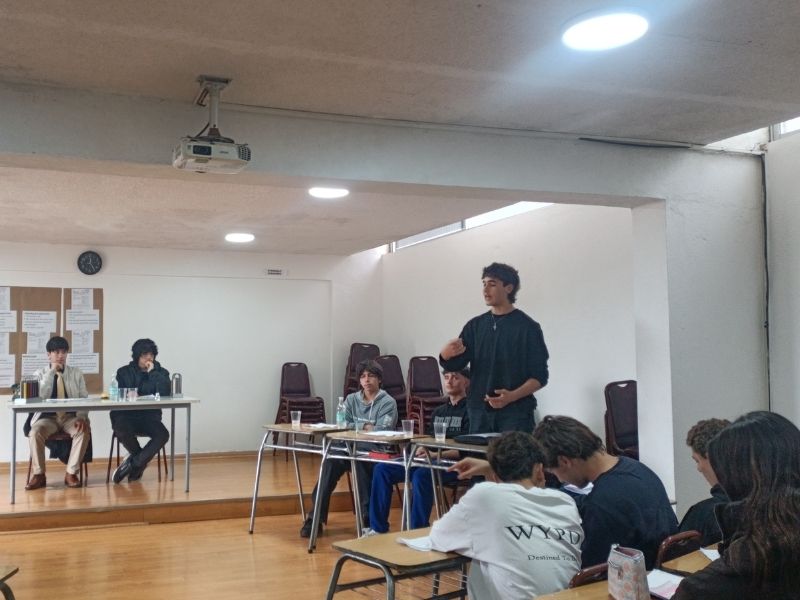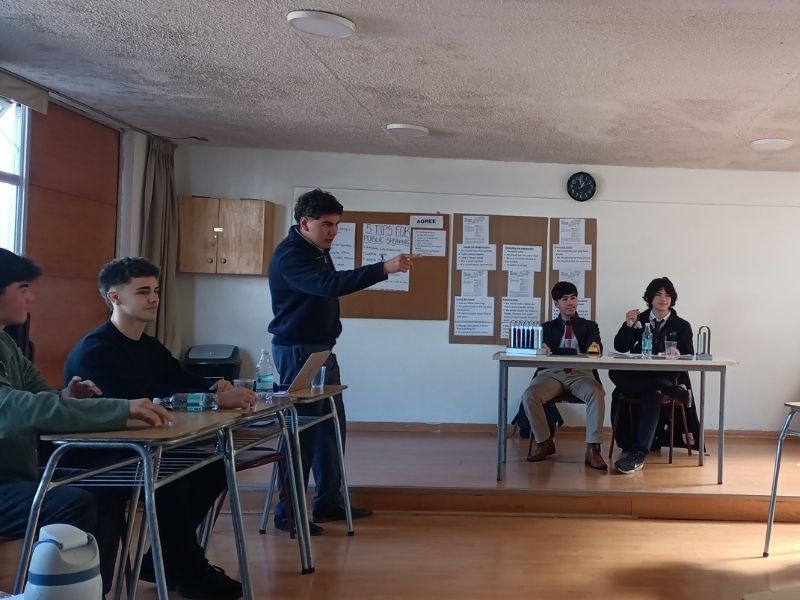
El electivo “Argumentación y Participación en Democracia” brindó a nuestros alumnos de 11th Grade una valiosa oportunidad para desarrollar habilidades esenciales de comunicación, pensamiento crítico y educación cívica.
Uno de los principales objetivos del curso, a cargo de Miss Paola Morgan, es que los estudiantes comprendan que la argumentación, informada y respetuosa, es una herramienta esencial para la participación democrática, promoviendo, de este modo, el poder expresar ideas con claridad, construir y defender argumentos, escuchar con respeto diferentes perspectivas y participar activamente en debates.
Argumentation and Participation in Democracy
The elective course “Argumentation and Participation in Democracy” provided students with opportunities to develop essential communication, critical-thinking, and civic participation skills. Throughout the term, students learned how to express ideas clearly, construct and defend arguments, listen respectfully to different perspectives, and participate actively in democratic discussions.
One of the main objectives of the course was to help students understand that argumentation is an essential tool for democratic participation. Students explored the structure of effective arguments, including claims, evidence, reasoning, and counterarguments. They also examined persuasive techniques such as ethos, pathos, and logos. These concepts allowed students to evaluate arguments critically and become more responsible and informed communicators.
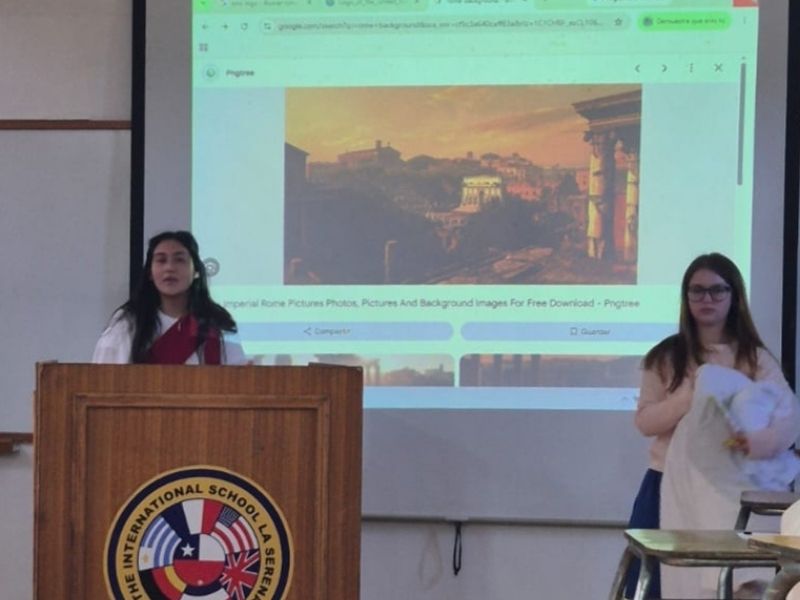
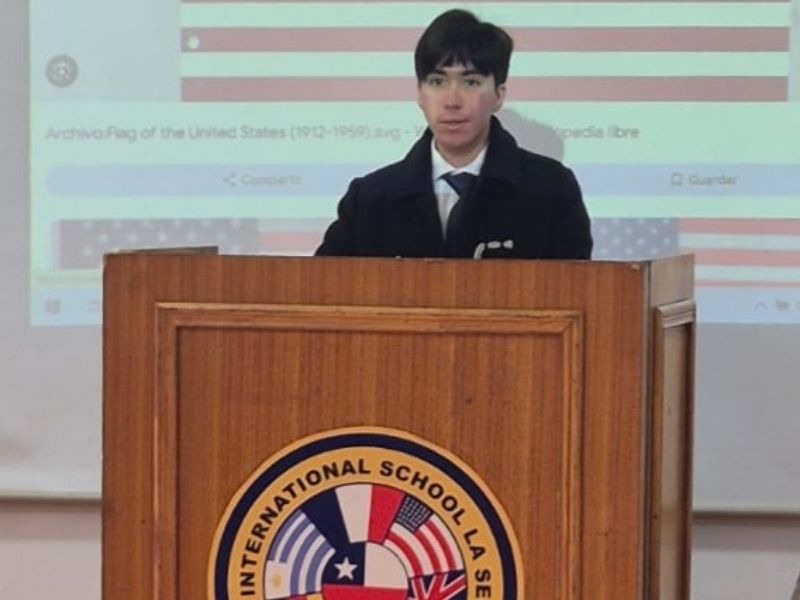
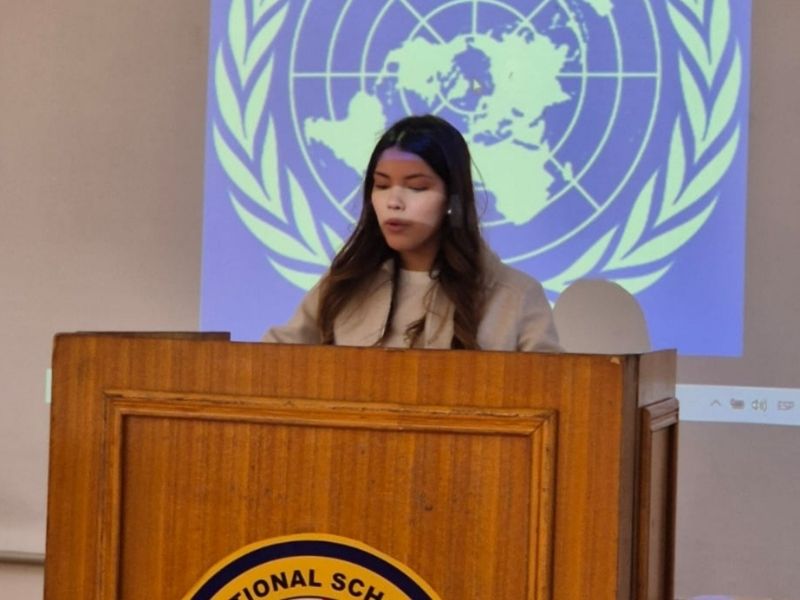
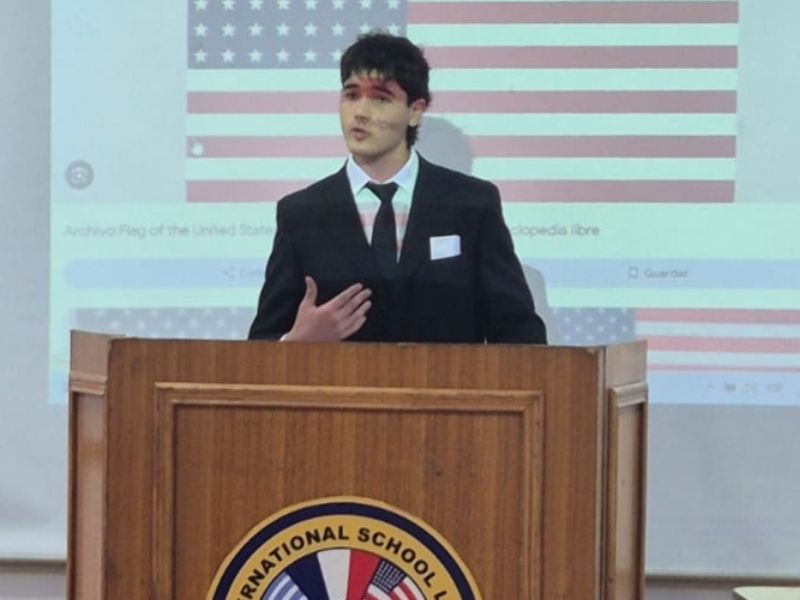
A particularly engaging activity was the Role-Playing Historical Characters project. Students researched significant historical figures and prepared speeches from the perspective of those characters. Through this activity, students had to consider the historical context, beliefs, challenges, and motivations of their chosen figures. The role-playing experience encouraged them to develop oral expression, pronunciation, intonation, body language, confidence, and audience awareness. It also helped students understand that historical events can be interpreted from different perspectives.
Another important component of the course was the organization and participation in debate tournaments. Students worked in teams, prepared arguments, researched evidence, anticipated opposing viewpoints, and participated in structured debates. They practiced delivering constructive speeches, rebuttals, and closing arguments while learning to respond appropriately to opposing ideas. The debates also emphasized the importance of respectful disagreement, active listening, teamwork, and evidence-based reasoning.
During the debate activities, students were encouraged to move beyond simply expressing an opinion. They learned that a strong argument requires relevant evidence, logical reasoning, organization, and effective delivery. They also developed skills in identifying weaknesses in arguments and responding to counterarguments without attacking the person presenting them.
The course incorporated a variety of interactive methodologies, including four-corner debates, fishbowl discussions, impromptu speeches, speed debating, role-playing, peer evaluation, and team debate tournaments. These activities created a dynamic learning environment in which students were able to practice communication skills in meaningful and authentic situations.
Overall, the elective contributed to the development of students as confident speakers, critical thinkers, active listeners, and responsible participants in democratic life. By engaging in discussions, historical role-playing, and debates, students learned that democracy depends not only on having opinions, but also on the ability to communicate ideas, listen to others, question information, respect different perspectives, and support positions with sound arguments and evidence.
The course therefore sought to prepare students not only for academic and professional challenges, but also for their future role as active and informed citizens who can participate constructively in society.